
The ache shows up on Tuesday, fades by Wednesday, and returns the next week. It is easy to shrug off. Many patients wait until the pain wakes them at night, then type root canal therapy Canton TX into their phones. Waiting that long is the real risk, because a tooth that hurts on and off is often telling you something is wrong inside.
This guide explains what is happening in the tooth, which signs matter, and how treatment works. You will also find two charts to help you decide what to do next.
This article is general information. It does not replace an exam by a licensed dentist.
What the Pulp Is and Why It Matters
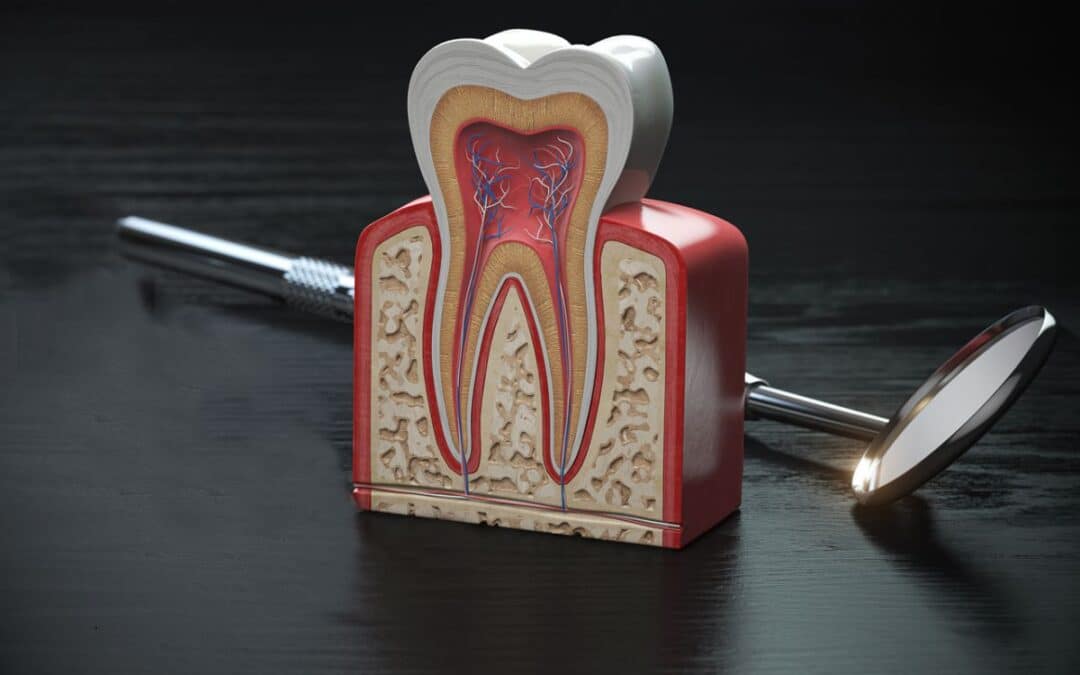
Inside every tooth is a soft center called the pulp. It holds nerves and blood vessels. A grown tooth can survive without it, but a damaged pulp cannot heal itself.
When bacteria reach the pulp, it swells. The tooth has no room to expand, so pressure builds and the nerve reacts. That reaction is the pain you feel.
Why the Pain Comes and Goes
A pulp problem moves through stages. The pain changes at each one, which is why it seems to disappear and return.
| Stage | What you feel | What is happening inside | Usual care |
| Early irritation | Quick, sharp pain to cold or sweets that fades in seconds | Pulp is inflamed but may still heal | Filling or other repair |
| Deep inflammation | Aching that lingers after hot or cold, night pain, pain when biting | Pulp is badly damaged and will not recover | Root canal treatment |
| Nerve death | Pain stops, tooth may darken | Pulp has died, bacteria remain | Root canal treatment |
| Abscess | Swelling, a bump on the gum, bad taste, throbbing | Infection has spread past the root tip | Prompt treatment, sometimes extraction |
The third stage is the trap. The nerve dies, the pain stops, and it feels like the problem went away. The bacteria are still there, and the infection keeps growing quietly.
Warning Signs Worth Taking Seriously
These signs can mean a nerve is exposed or infected:
- A severe toothache
- Pain when chewing or when pressure is applied
- Sensitivity to hot or cold that lingers
- A tooth that turns dark or gray
- Swollen, tender gums near the tooth
Two more signs deserve attention: a small pimple on the gum and a bad taste in your mouth. Both can mean pus is draining from an infection.
If your face swells or you run a fever, treat it as urgent. Call an emergency dentist Canton TX offers the same day, and do not wait for a slot next week. Trouble breathing or swallowing means go to the ER.
What Damages the Pulp
Several things can open the door for bacteria:
- Deep decay that reaches the nerve
- A cracked or chipped tooth
- Repeated dental work on the same tooth
- A hard hit to the mouth, even if the tooth looks fine
- Gum disease around the root
Cracks are tricky. They can be too small to see, and they cause pain that comes and goes when you bite. A dentist finds them with a bite test and X-rays.
Why Antibiotics Alone Do Not Fix It
Many people hope a round of antibiotics will clear things up. Antibiotics may help when infection is spreading, but they cannot clean the inside of the tooth. A dead nerve has no blood supply, so the medicine has little to work on. The source of the infection must be removed.
What Happens During Treatment
Fear is the main reason people delay treatment. If you are considering root canal therapy in Canton, TX, know that the practice reports that most root canals feel similar to getting a filling. Patients who feel nervous can also ask about sedation dentistry.
Here is the usual path:
- Exam and X-ray. These confirm which tooth is the problem.
- Numbing. You should feel pressure, not pain.
- Small opening. The dentist makes an access point in the top of the tooth.
- Cleaning. The damaged pulp and bacteria are removed from the canals.
- Filling and sealing. The canals are filled and closed off.
- Protection. A crown or filling covers the tooth.
Back teeth usually need a crown because they handle heavy chewing. Many teeth take one or two visits, depending on how deep the infection runs.
Save the Tooth or Pull It? A Side-by-Side Look
| Factor | Root canal | Extraction |
| Natural tooth | Kept | Lost |
| Chewing strength | Close to normal with a crown | Reduced until the gap is filled |
| Jawbone | Stays supported by the root | Can shrink without a root |
| Neighboring teeth | Stay in place | Can shift over time |
| Extra steps later | Crown | Implant, bridge, or denture |
| Best for | Teeth that can be repaired | Teeth too cracked or decayed to save |
Saving the tooth is not always possible. A deep vertical crack or too little tooth left may point to removal. In that case the dentist can talk through replacements such as implants, bridges, or dentures. The American Association of Endodontists notes that a treated tooth can last a lifetime with good care.
Recovery: What to Expect
Mild soreness is normal for a few days. Over-the-counter pain relievers, taken as the label directs, usually handle it. Chew on the other side until the crown or final filling is placed. Brush and floss as usual.
Call the office if you notice swelling, fever, pain that grows worse after the first few days, or a bite that feels too high.
Beat the Clock and the Traffic: Timing Tips for Canton Drivers
Legacy Dental Group sits at 240 TX-243, Canton, TX 75103. The office is open Monday to Thursday, 8:00 a.m. to 5:00 p.m., and Friday, 7:00 a.m. to 3:00 p.m.
Friday opens an hour earlier than the other weekdays, which helps if work gets in the way. During First Monday Trade Days, traffic around town builds, so leave early. If you drive in from Edgewood, Grand Saline, or the country roads outside Canton, plan extra time. Choosing a dentist Canton TX has close to home also makes follow-up visits and the crown easier to fit into your week.
Meet the Dentists
The practice website lists five dentists, each with a different background. When you compare a dentist Canton TX offers, look at training, years of work, and how clearly they explain your choices. Here is what the website shares:
- Dr. Glenn Stern, D.D.S., MAGD, FADI. Studied at Texas A&M University and Baylor College of Dentistry. He holds Master status in the Academy of General Dentistry and Fellow status in the Academy of Dentistry International.
- Dr. Ben Bratcher, D.D.S., MAGD, FADI. A Baylor College of Dentistry graduate and U.S. Air Force veteran. He is a Fellow in the American College of Dentists and was named Canton Chamber of Commerce Man of the Year in 2001.
- Dr. Bret Downing, D.D.S. Earned his dental degree at the University of Texas Health Science Center at San Antonio and served 28 years in the Public Health Service.
- Dr. Rami Hritani, D.D.S. Earned his dental degree at Riyadh Elm University and his Doctor of Dental Surgery at the University of Minnesota School of Dentistry.
- Dr. James Tran, D.D.S. Holds a biology degree from the University of Texas at Dallas and a Doctor of Dental Surgery with honors from Texas A&M College of Dentistry.
Quick Answers to Common Questions
- Does a root canal hurt?
Most patients say it feels like getting a filling. Numbing keeps the area comfortable, and soreness afterward is usually mild. Nervous patients can ask about sedation.
- How do I know if the pain is from the nerve or just a cavity?
It is hard to tell at home. Pain that lingers, pain at night, pain when biting, and a darkening tooth point to the nerve. An exam and X-ray give the answer.
- Can the pain go away without treatment?
It can, but that is not a good sign. When the nerve dies the pain may stop while the infection stays. You still need an exam.
- How long does treatment take?
Many teeth need one or two visits. A deeper infection or a tooth with several canals can add time.
- How long does a treated tooth last?
With a good crown and daily care, it can last for many years, often a lifetime. Regular checkups help catch problems early.
- Can this treatment make me sick?
No. The American Dental Association says there is no valid scientific evidence linking it to disease elsewhere in the body.
- What happens if I wait?
The infection can spread to the jaw, face, or neck. The tooth may also become too damaged to save.
- What can I do for the pain until my visit?
Rinse with warm salt water, hold a cold pack on your cheek for 15 minutes at a time, and take an over-the-counter reliever as the label directs. Avoid chewing on the tooth, and never place aspirin on the gum.
Final Thoughts
A toothache that comes and goes is a message, not a mood. The pulp is either irritated or already failing, and the quiet days do not mean healing. If these signs sound familiar, ask about root canal therapy Canton TX offers while the tooth can still be repaired. Early care saves more of the tooth and spares you a painful night.
Schedule a consultation with Legacy Dental Group using the request form on the practice website, and get a clear answer about your tooth.